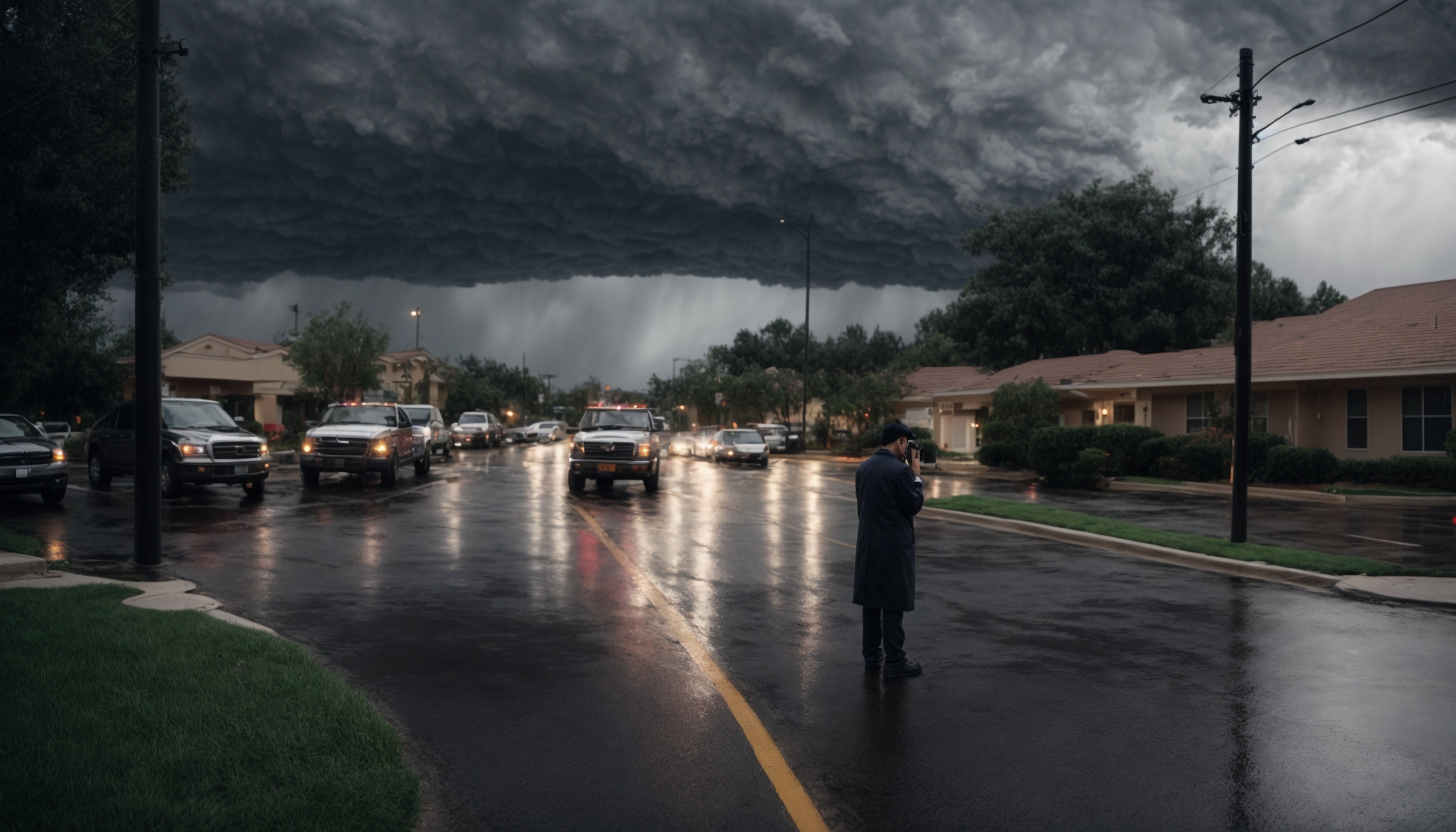
Arcadia Daily, Arcadia – Local authorities have intensified Arcadia severe weather preparedness efforts as forecasters warn of stronger storms, heavier rainfall, and longer heat waves in the coming months.
City officials have upgraded their early warning systems to strengthen Arcadia severe weather preparedness before the peak storm period arrives. The city now integrates radar data, river level sensors, and satellite information into a unified dashboard for emergency managers. This integration allows faster decisions when severe thunderstorms or flash floods threaten neighborhoods.
In addition, the city has expanded the use of mobile alerts. Residents can now receive warnings via text message, app notifications, and automated voice calls. Authorities also coordinate with local radio and television stations so that alerts reach people who are offline. These steps support Arcadia severe weather preparedness by ensuring critical messages arrive minutes sooner, when every second counts.
Community sirens have been tested and re-mapped to cover gaps identified during last year’s storms. Technicians adjusted sound coverage in dense residential areas and near schools, so more residents can clearly hear outdoor warnings despite traffic and construction noise.
Engineers have completed a multi-year review of drainage, power lines, and key public buildings to improve Arcadia severe weather preparedness at the infrastructure level. Crews have cleared storm drains, reinforced culverts, and increased the capacity of several critical channels where runoff often backs up after intense rainfall.
The city is also burying a portion of overhead power lines in the most vulnerable corridors. While the work is expensive and long-term, officials say even partial undergrounding can reduce outages during strong winds and falling branches. Utility companies are trimming trees along major lines more aggressively to prevent downed wires.
Meanwhile, several public facilities now serve as hardened shelters. Roofs and windows in designated schools, libraries, and community centers have been reinforced to withstand high winds and flying debris. These sites will open during severe storms and extreme heat, offering safe spaces for residents without reliable housing or cooling.
Beyond physical projects, Arcadia severe weather preparedness now emphasizes clear guidance for households. The city has launched a seasonal campaign that explains how families can prepare emergency kits with water, non-perishable food, flashlights, batteries, and basic first aid supplies. Authorities urge residents to store enough essentials to last at least 72 hours.
Workshops at community centers teach people how to read weather alerts and respond correctly to tornado, flood, and heat advisories. Officials stress that residents should know evacuation routes, identify safe interior rooms in their homes, and plan how to assist elderly relatives or neighbors with mobility challenges.
Schools participate through age-appropriate drills and classroom discussions about storms, flooding, and heat safety. While these drills may feel routine, educators note that repeated practice makes children more confident and less likely to panic if a real emergency occurs.
Read More: Official U.S. guidance on severe weather preparedness steps
Arcadia severe weather preparedness also depends on strong coordination between fire departments, police, medical services, and public works teams. The city has run simulation exercises that mimic flash floods, downed power lines, and multi-vehicle accidents occurring at the same time during a storm.
These drills help agencies refine communication protocols and clarify who leads specific operations. Dispatch centers practice routing calls efficiently and sharing real-time information about road closures, shelter openings, and hospital capacity. As a result, emergency crews can deploy more strategically during actual events.
Non-profit organizations and volunteer groups now have defined roles within the official emergency plan. They assist with distributing supplies, supporting shelters, and checking on vulnerable residents. Coordination ensures that well-meaning volunteers do not duplicate efforts or clog critical routes.
City planners acknowledge that Arcadia severe weather preparedness must address long-term climate risks, not just this season’s storms. Data from regional climate models show a rising likelihood of heavy rainfall days, extended hot spells, and abrupt temperature swings that strain infrastructure and public health.
To adapt, the city is expanding green infrastructure projects such as rain gardens, permeable pavements, and urban tree canopies. These features help absorb runoff, lower surface temperatures, and reduce pressure on older drainage networks. Over time, such investments can cut flood damage and cooling costs.
Policy updates now consider future conditions when approving new developments. Builders may need to elevate structures, install stronger roofing, and design parking lots and sidewalks that can handle temporary flooding. Officials hope these steps will protect both new and existing neighborhoods from worsening extremes.
Authorities emphasize that successful Arcadia severe weather preparedness relies on informed, engaged residents as much as on government projects. People are encouraged to sign up for official alerts, follow verified emergency channels, and avoid spreading rumors during high-pressure moments.
Neighborhood associations can host preparedness meetings and share information with residents who rarely use digital tools. Simple actions such as checking gutters, securing loose outdoor items, and knowing where to shelter can significantly reduce injury and damage during a storm.
Finally, officials urge residents to bookmark the city’s online safety portal, which provides guides, maps, and links to shelters and assistance programs. A dedicated page on Arcadia severe weather preparedness centralizes instructions so that families can review steps well before dark clouds appear on the horizon.