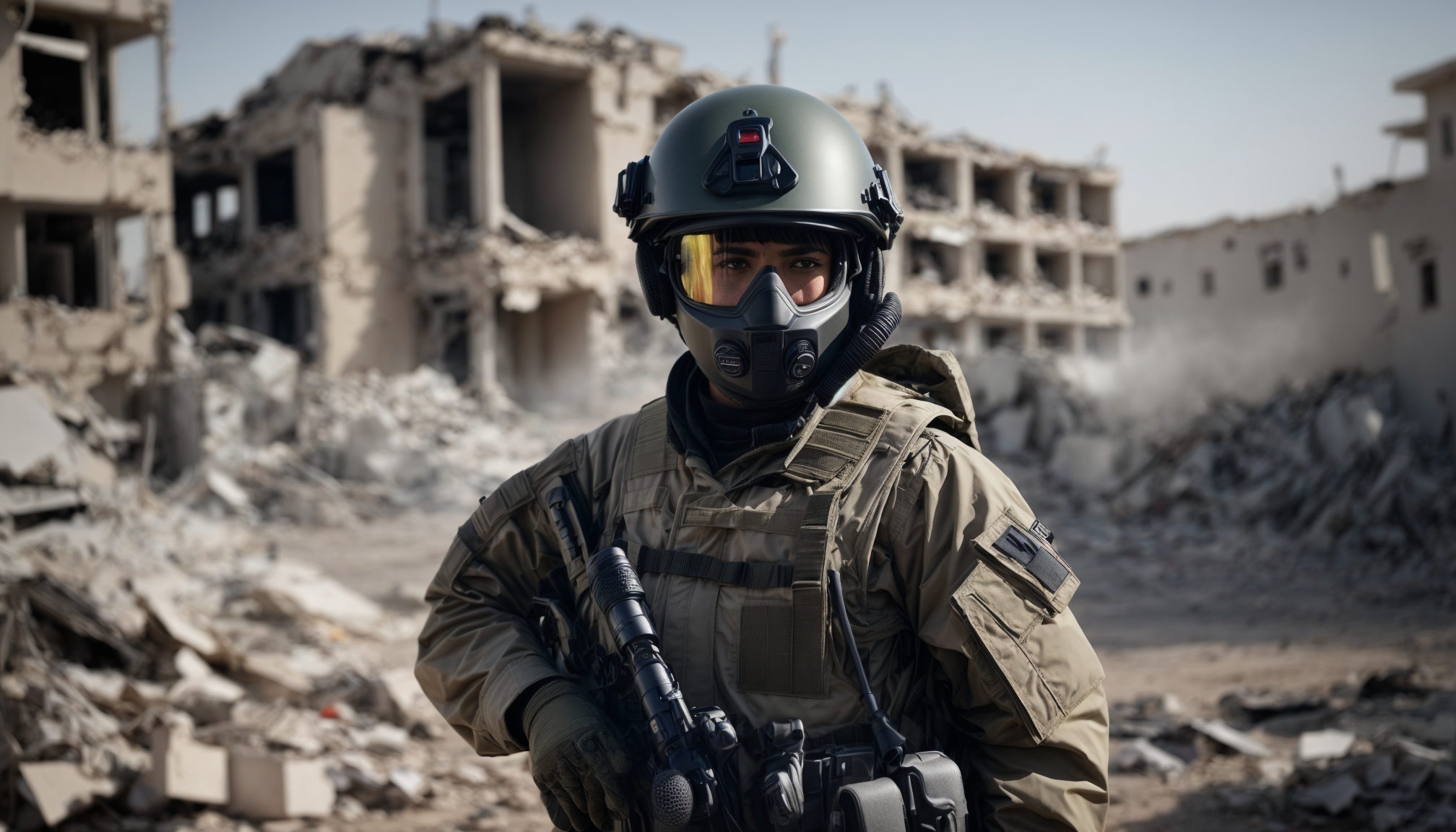
Arcadia Daily – journalist safety in conflict remains a top concern as the latest global data reveals alarming risks faced by reporters in war-torn areas. These insights underscore the urgent need for enhanced security measures and support mechanisms for journalists worldwide.
The challenges linked to journalist safety in conflict zones are significant. Reporters often find themselves exposed to direct threats, including attacks, kidnappings, and intimidation by armed groups. According to recent global data, approximately 70% of journalists injured or killed over the past year were covering conflict-related stories. This statistic vividly reflects the dangers inherent in conflict reporting, highlighting the importance of specialized safety training and protective equipment.
Recent data has identified multiple risk factors affecting journalist safety in conflict settings. These include the absence of clear safety protocols, lack of international enforcement of press freedom laws, and increasing impunity for attackers targeting media personnel. Moreover, cyber harassment and online threats have surged, adding a new dimension to the vulnerabilities journalists face in these hostile environments.
Improving journalist safety in conflict zones demands a multifaceted approach. Governments, media organizations, and international bodies must collaborate to establish robust protection frameworks. Practical steps involve providing trauma support, legal assistance, and secure communication channels for journalists operating under threat. Investments in safety technology and comprehensive pre-deployment training are also crucial components highlighted in the latest global data findings.
Read More: International Justice and Protection for Journalists in Conflict Zones
International cooperation plays a vital role in enhancing journalist safety in conflict zones. Cross-border agreements and concerted actions by global organizations help to monitor violations and pressure authorities to hold perpetrators accountable. The latest global data reinforce that only through sustained international commitment can journalist safety in conflict environments improve measurably.
Journalist safety in conflict zones requires ongoing vigilance and adaptation to evolving threats. The latest global data not only expose persistent dangers but also pave the way for actionable solutions. Prioritizing journalists’ protection ensures their crucial work can continue amidst conflict, informing the world with truth and integrity. Stakeholders must maintain focus on these goals to foster safer reporting conditions worldwide.
For more information on how these trends impact related fields, visit: journalist safety in conflict.