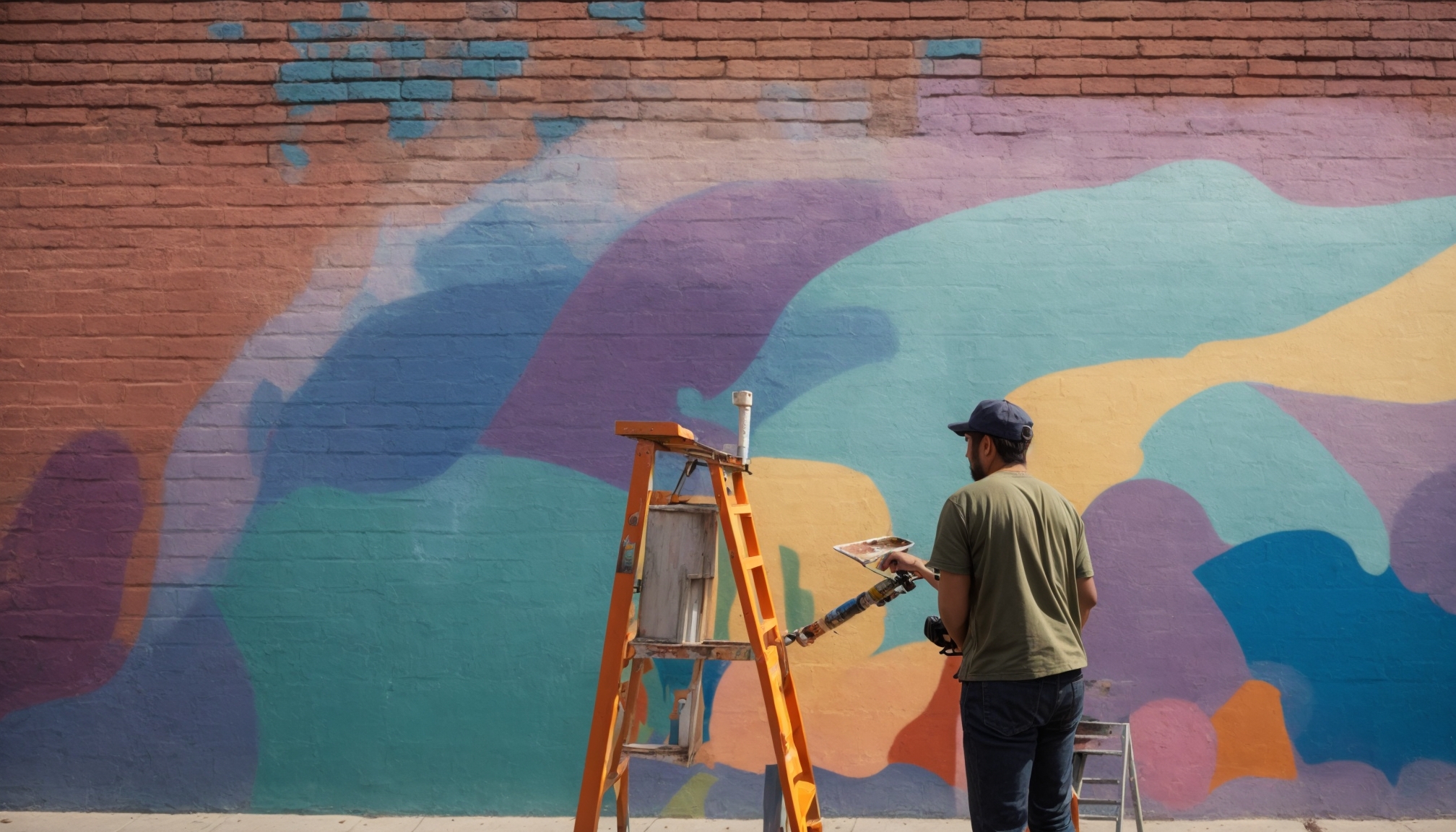
Arcadia Daily, Arcadia – Local painters, illustrators, and designers have joined forces in the Arcadia downtown mural project to turn plain city walls into a colorful outdoor gallery that reflects the community’s identity.
The Arcadia downtown mural project brings together emerging and established artists who share a common goal: transforming neglected facades into meaningful works of art. Organizers selected key locations along main pedestrian routes to maximize visibility and public engagement.
Each mural highlights different aspects of city life, from Arcadia’s historic architecture to its growing cultural diversity. Curators encouraged artists to collaborate on concepts, ensuring a cohesive visual story instead of isolated pieces with no connection.
Local businesses support the Arcadia downtown mural project by offering their exterior walls as canvases. In exchange, they gain a unique visual identity and increased foot traffic from residents and visitors eager to explore the new artworks.
The project relies on a hybrid funding model that blends municipal arts grants, private sponsorships, and small donations. City officials allocated a portion of the public art budget to cover materials, scaffolding, and safety equipment for participating artists.
On the other hand, business owners contribute through sponsorship packages that include artist stipends and maintenance funds. This shared responsibility helps guarantee that the Arcadia downtown mural project remains sustainable beyond the initial painting phase.
Nonprofit arts organizations also play a key role. They manage contracts, coordinate volunteers, and handle communication between artists, property owners, and city departments. As a result, the initiative avoids bureaucratic delays and keeps momentum strong.
Curators developed three main thematic pillars to guide artists: heritage, nature, and future aspirations. Within these frameworks, creators enjoyed full freedom to experiment with style and technique, from abstract forms to hyperreal portraits.
Several murals depict Arcadia’s early railway history, blending archival photos with contemporary street art elements. Meanwhile, other walls celebrate neighborhood markets, festivals, and everyday scenes that residents instantly recognize.
To strengthen community ownership, organizers invited residents to propose ideas during public workshops. Many suggestions influenced final sketches, helping the Arcadia downtown mural project capture authentic local stories instead of generic urban imagery.
Baca Juga: How public art projects strengthen community identity and engagement
Beyond beautification, organizers design the initiative as an open-air classroom. Guided walking tours introduce visitors to each mural, explain the concept, and credit the artists and supporting partners. Volunteers also distribute maps and digital guides.
Schools collaborate by bringing students to view the works and meet artists on-site. Teachers integrate the Arcadia downtown mural project into lessons on visual storytelling, civic pride, and urban planning, showing how art shapes public spaces.
In addition, weekend workshops invite families to experiment with safe, supervised mural techniques on temporary panels. These activities allow residents to experience the creative process, deepening respect for the skills behind large-scale artworks.
Despite strong support, organizers face several challenges, including permits, safety rules, and weather conditions. City planners worked with the team to streamline approval processes while maintaining building code compliance and accessibility standards.
Artists developed strategies to protect their work against sun, rain, and pollution. They use high-quality exterior paints and apply protective coatings that resist fading and graffiti. Regular inspections ensure the Arcadia downtown mural project maintains its visual impact.
Another concern involves balancing artistic freedom with community expectations. Curators set clear guidelines regarding respectful imagery and inclusive themes. This approach preserves creative autonomy while keeping public spaces welcoming for all age groups.
Encouraged by positive feedback, organizers already plan the next phase of the Arcadia downtown mural project, which will expand into adjacent streets and alleyways. They aim to create a continuous art corridor connecting transit hubs, parks, and commercial areas.
Urban planners see the murals as part of a broader revitalization strategy that supports local businesses and cultural tourism. Visitors who come to photograph the artworks often explore nearby cafés, bookstores, and galleries, boosting the local economy.
Residents describe the transformed streets as brighter, safer, and more welcoming. The Arcadia downtown mural project shows how collaboration between artists, officials, and citizens can redefine the personality of a city. As new walls join the evolving outdoor gallery, Arcadia strengthens its reputation as a creative, confident community that proudly tells its story in color.